

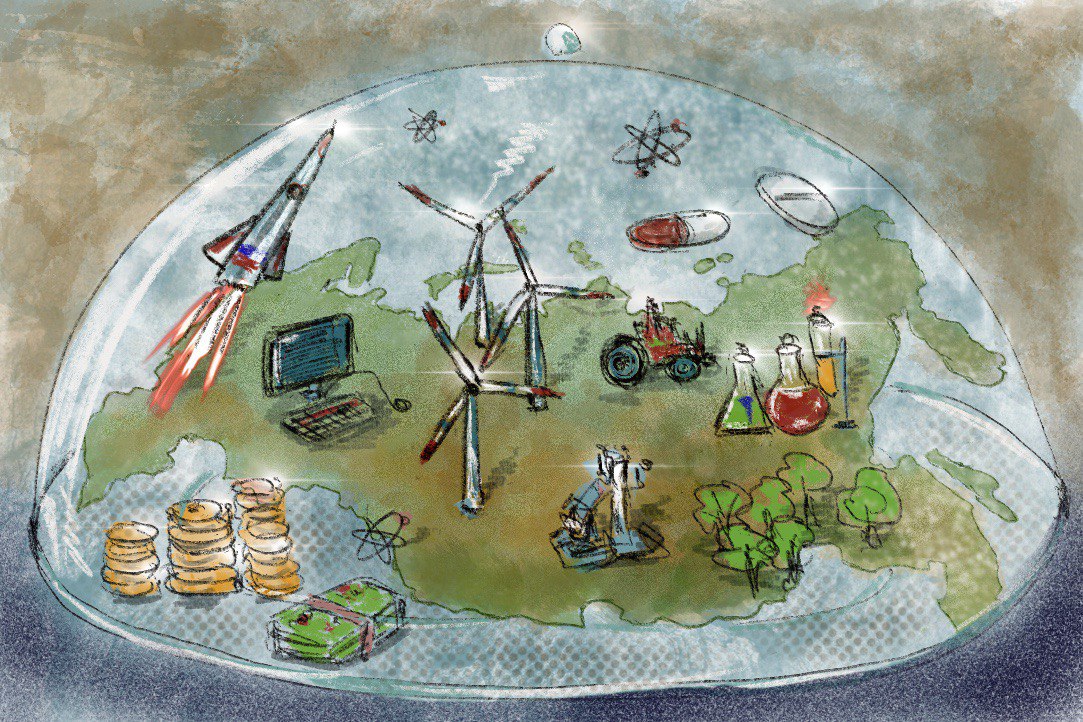
Race Against Time: Russia’s Path to Sustainable Development and the Role of Science and Technology
UNESCO has released its seventh official Science Report. The document is published every five years*. This Science Report’s title, ‘The Race Against Time for Smarter Development’, reflects the trajectory of global transformation stipulated by the United Nations in its 17 Sustainable Development Goals (SDGs) to be achieved by 2030, from ending poverty to protecting the planet’s natural resources. The authors of the Report describe how science contributes to these goals, analyze global scientific trends, and present 23 detailed regional and national cases. Below, IQ.HSE examines the objectives Russian science is pursuing in the context of the SDGs and what efforts it is taking to achieve them. This article is based on the Russian chapter of the Report prepared by Leonid Gokhberg, First Vice Rector, Director of the Institute for Statistical Studies and Economics of Knowledge (ISSEK) of HSE University, and Tatiana Kuznetsova, Academic Supervisor of the Centre for Science, Technology, Innovation and Information Policy at ISSEK, HSE University.
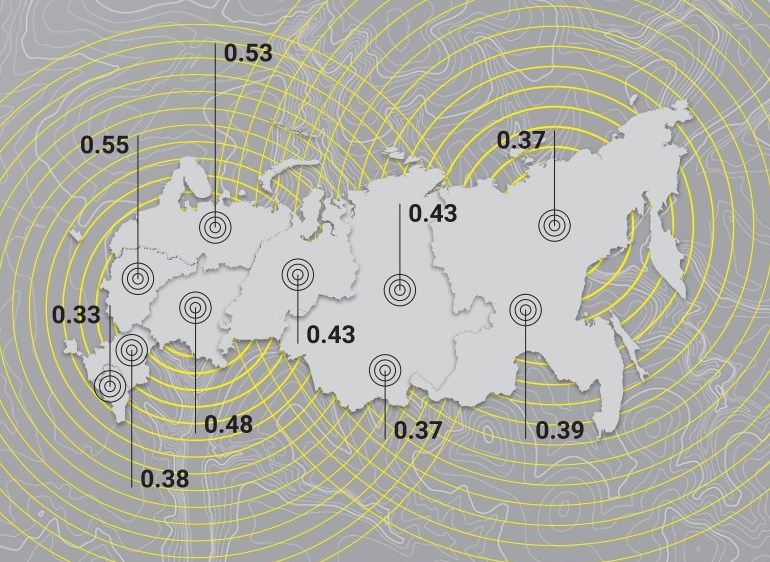
HSE University Publishes Seventh Issue of Russian Regional Innovation Scoreboard
Moscow has kept its leading position on the Russian Innovational Scoreboard. The city demonstrates the highest level of economic, educational, and digital development. Second place goes to Saint Petersburg, and third place goes to the Republic of Tatarstan. The leaders also include the Tomsk Region, the Nizhny Novgorod Region, and the Moscow Region. These are the main results of the seventh issue of the Russian Innovational Scoreboard prepared by the Institute for Statistical Studies and Economics of Knowledge (ISSEK), HSE University.
HSE University First Vice Rector Co-Authors 2021 UNESCO Science Report
On Friday, June 11, UNESCO held a ceremony to launch its new UNESCO Science Report, which arrives at a crucial moment as countries reach the halfway mark of meeting the UN’s Sustainable Development Goals by 2030. The Report shows that, over the past five years, countries of all income levels have begun efforts to transition to economies that are both digital and green. At the ceremony, six of the Report’s authors provided overviews of trends in their regions. Representing the East European region was Professor Leonid Gokhberg, First Vice Rector of the HSE University and Director of the HSE Institute for Statistical Studies and Economics of Knowledge (ISSEK).

Mandatory Isolation for Those Who Have Been in Contact with COVID-19
Answers to important questions
HSE April Conference: Universities Reinforce the Links between Academia, Businesses, and Society
From April 13 – 16, 2021, the international academic symposium ‘Foresight and Science, Technology and Innovation Policy’ will take place as part of the XXII April International Academic Conference in Moscow. At the symposium, representatives of leading Russian and international academic centres and universities will present the results of their programme studies. Many papers will examine the transition of knowledge to new technologies, their impact on people’s lives, and the growing demand for research reinforcement not only in times of crisis.

HSE University Expands Cooperation with the World's Leading Foresight Centres
HSE University has signed cooperation agreements with two of the world's leading research centres, NISTEP (Japan) and TIFAC (India), which provide their governments with analytical support to inform science and technology forecasting and science and technology policy.
.jpg "HSE University Returns to the Classroom")
HSE University Returns to the Classroom
Below, are the answers to most frequently asked questions about the university’s return to in-person learning
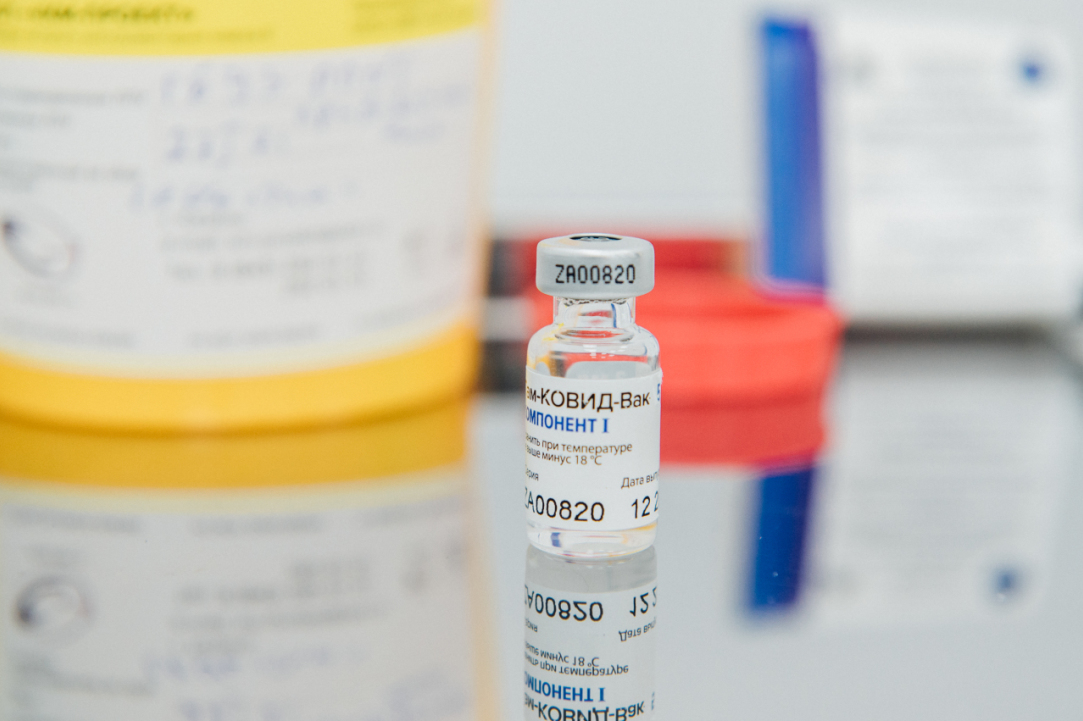
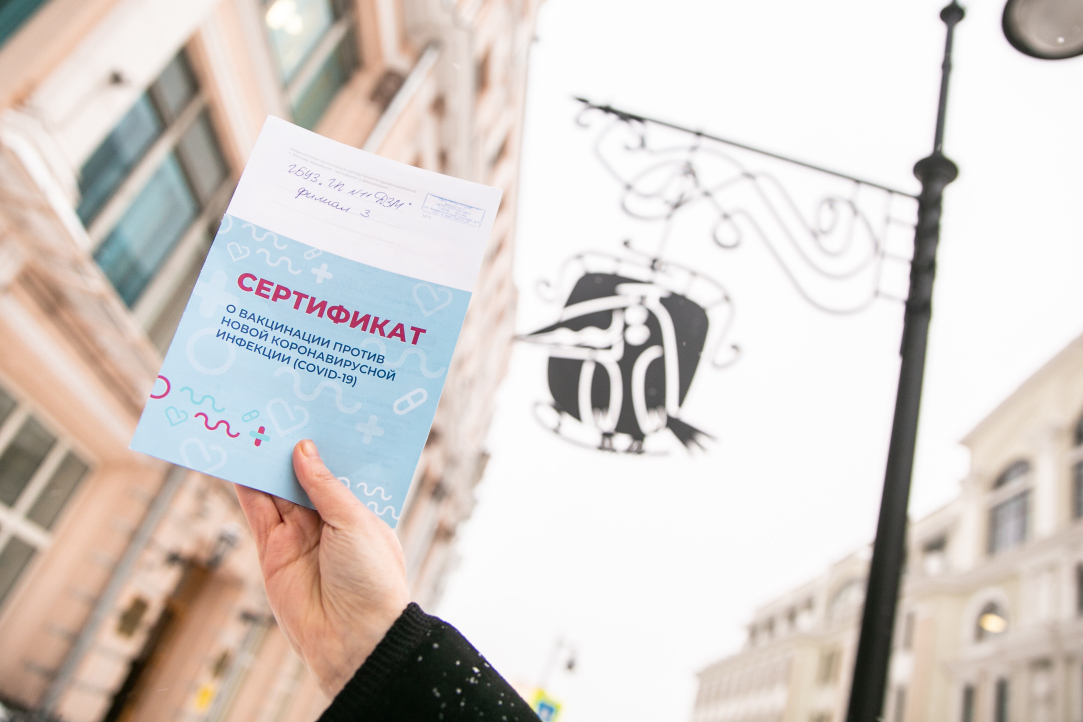
Vaccination against COVID-19 Starts at HSE University
Students and staff can get vaccinated on working days from 9:00 to 18:00 in the medical office at HSE building on 11 Pokrovsky Boulevard

Building Bridges Between Knowledge and Society and Improving Policy Effectiveness Is the Task of Think Tanks
On December 4, the International Advisory Board of the Institute for Statistical Studies and Economics of Knowledge of HSE University met for its annual meeting. It was an anniversary event, as was the X Foresight Conference that preceded it. Largely thanks to the online format, the assembled board was the most representative of the field in its history. Experts from 20 international partner centres assessed ISSEK’s activities over the past year and proposed a wide range of topics for new research.